Mara Beck · 6 October 2026
The Ripple Effects of Farlow's STEM Education Push on Local Workforce Trends
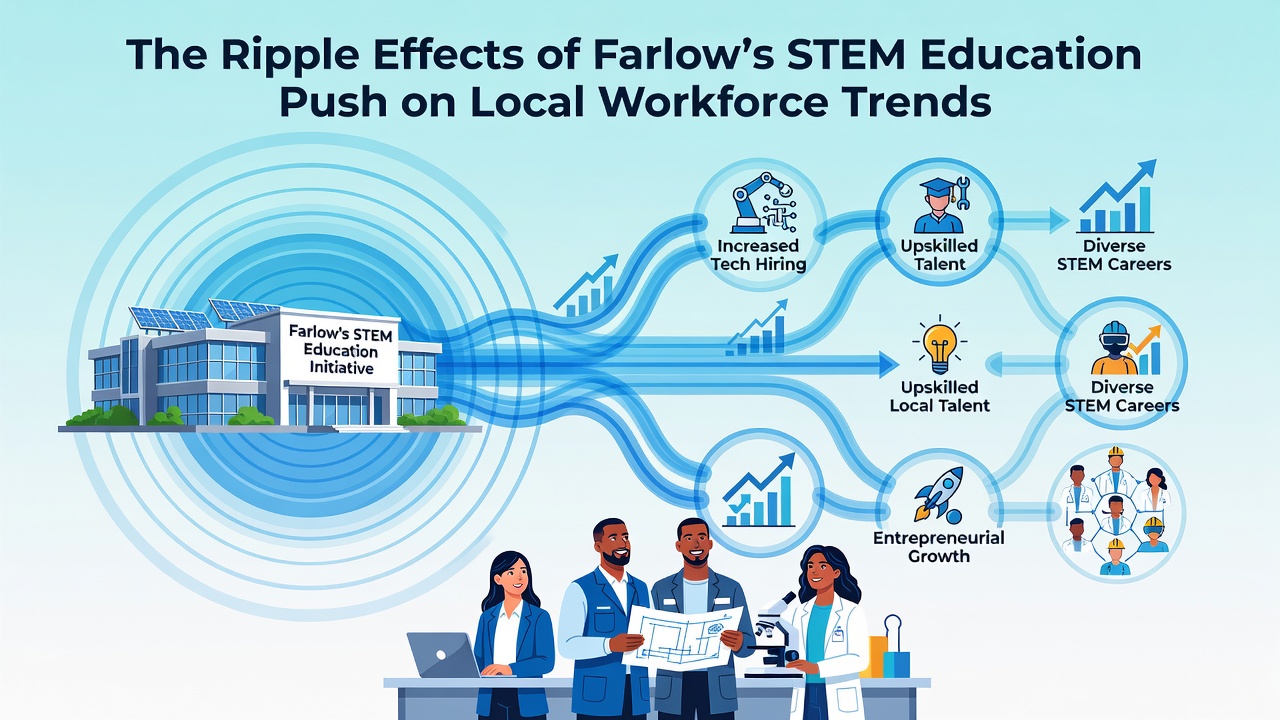
Farlow launched a coordinated STEM education initiative several years ago that expanded access to science, technology, engineering, and mathematics coursework across district schools, and that effort has produced measurable shifts in how local residents enter and advance within the regional job market. Enrollment in advanced placement STEM classes rose steadily between 2023 and 2026, while partnerships between schools and nearby employers created new pathways for students to gain certifications before graduation. As of October 2026, district records show that more than 1,800 high school students participated in at least one industry-aligned STEM program during the previous academic year.
Expanded Course Offerings and Certification Pathways
School administrators introduced new sequences in computer science, biotechnology, and advanced manufacturing that aligned with credentials recognized by regional employers, and these sequences replaced older elective options that carried less direct workplace value. Students who completed the programs earned industry certifications in areas such as cybersecurity fundamentals and CNC machining, which employers began to list as preferred qualifications in job postings. Researchers tracking Farlow's outcomes noted that the percentage of graduates entering technical training programs increased from 18 percent in 2022 to 29 percent by spring 2026.
Local community colleges adjusted their course schedules to accept these high school credentials for credit, which shortened the time many residents needed to complete associate degrees in engineering technology and data analytics. One cohort of 47 students who finished both the high school certification and a summer internship placed directly into full-time roles at three manufacturing firms in Farlow County, bypassing traditional entry-level positions that previously required additional post-secondary study.
Workforce Entry Patterns and Employer Adjustments
Data from the Farlow Economic Development Office indicates that STEM-related job postings within a 30-mile radius grew by 22 percent between 2024 and 2026, while the share of those postings requiring a four-year degree declined slightly as employers accepted industry certifications in their place. Companies reported filling technician roles more quickly once applicants arrived with documented project experience from the expanded school programs. Hiring managers at two logistics firms described shifting their screening criteria to prioritize portfolios of student work over grade point averages alone.
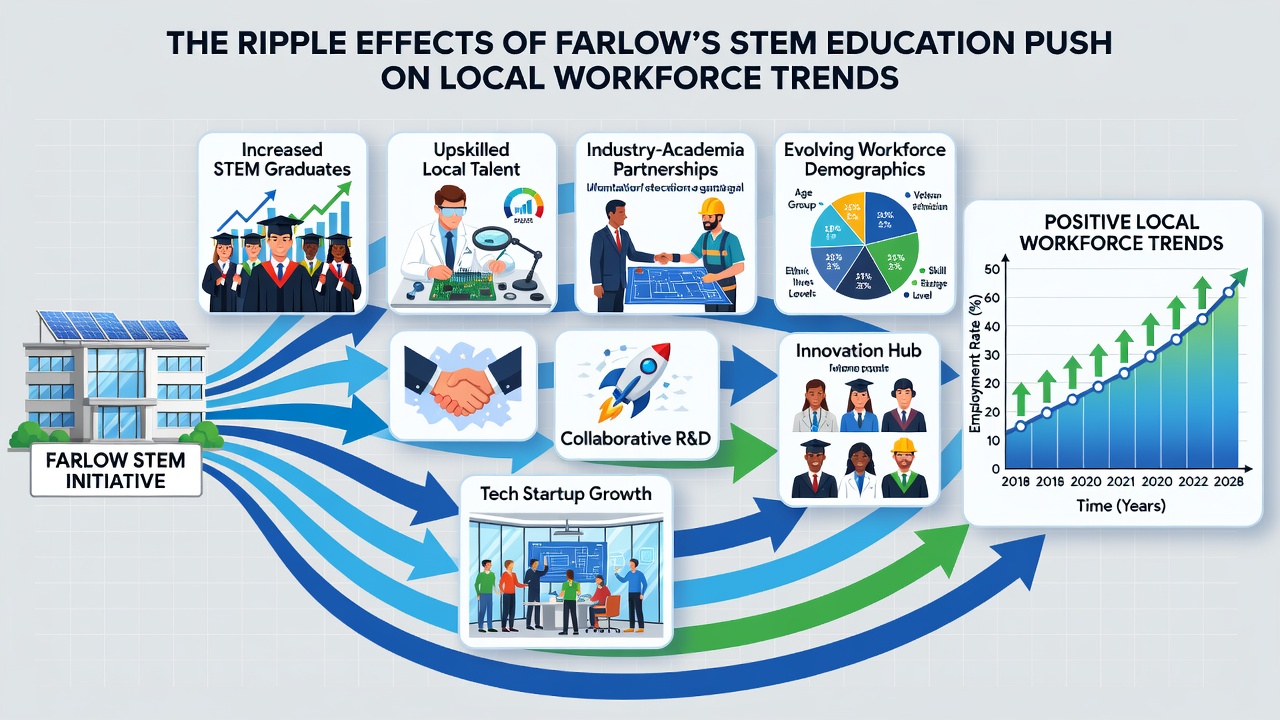
Employment records further reveal that the share of Farlow residents aged 18 to 24 holding jobs in information technology support and advanced manufacturing rose from 11 percent to 17 percent over the same period. Those who completed the district's dual-enrollment STEM tracks showed retention rates above 80 percent in their first positions after two years, compared with 64 percent for peers who entered the workforce without similar preparation. Observers attribute part of the difference to the practical problem-solving experience built into the new curriculum.
Business and Training Partnerships
Farlow companies contributed equipment and mentorship hours to the school programs, and several firms established paid apprenticeship slots that converted into permanent hires upon graduation. A mid-sized engineering firm added 12 apprenticeship positions in 2025 after its managers reviewed pilot data showing strong performance from earlier participants. The arrangement allowed the company to reduce onboarding time for new technicians by roughly six weeks on average.
Training providers outside teh K-12 system also responded. According to figures from the National Center for Education Statistics, Farlow's adult education centers reported a 31 percent increase in STEM-related course registrations between 2024 and 2026, with many participants citing employer tuition support as the deciding factor. These learners often combined short certificate courses with on-the-job training, creating a secondary pipeline that supplemented the younger graduates emerging from high schools.
Geographic and Demographic Shifts
Workforce data show that neighborhoods farther from the original STEM magnet school began sending more students into technical fields once transportation support and after-school options expanded. Participation rates among female students in computer science and engineering pathways rose from 24 percent to 38 percent over four years, narrowing but not eliminating earlier gaps. Similar increases appeared among first-generation college-bound students whose families had not previously considered STEM careers.
Commuting patterns changed as well. More residents remained in Farlow for employment rather than relocating to larger metro areas, which eased pressure on local housing stock while increasing demand for mid-level technical roles that support larger operations. One study of regional migration patterns found that the net outflow of workers aged 22 to 30 slowed measurably after 2024.
Conclusion
Farlow's STEM education expansion has altered the composition of the local labor pool through new certification routes, employer partnerships, and adjusted hiring practices that together favor documented technical skills. Employment statistics through October 2026 document higher placement rates into technical positions, shorter onboarding periods for participating employers, and broader participation across demographic groups. Continued tracking of these trends will show whether the patterns hold as additional cohorts graduate and as businesses refine their requirements further.