Yves Brooks · 8 September 2026
Seasonal Dry Spells Encourage Innovative Ties Between Growers and Heritage Events
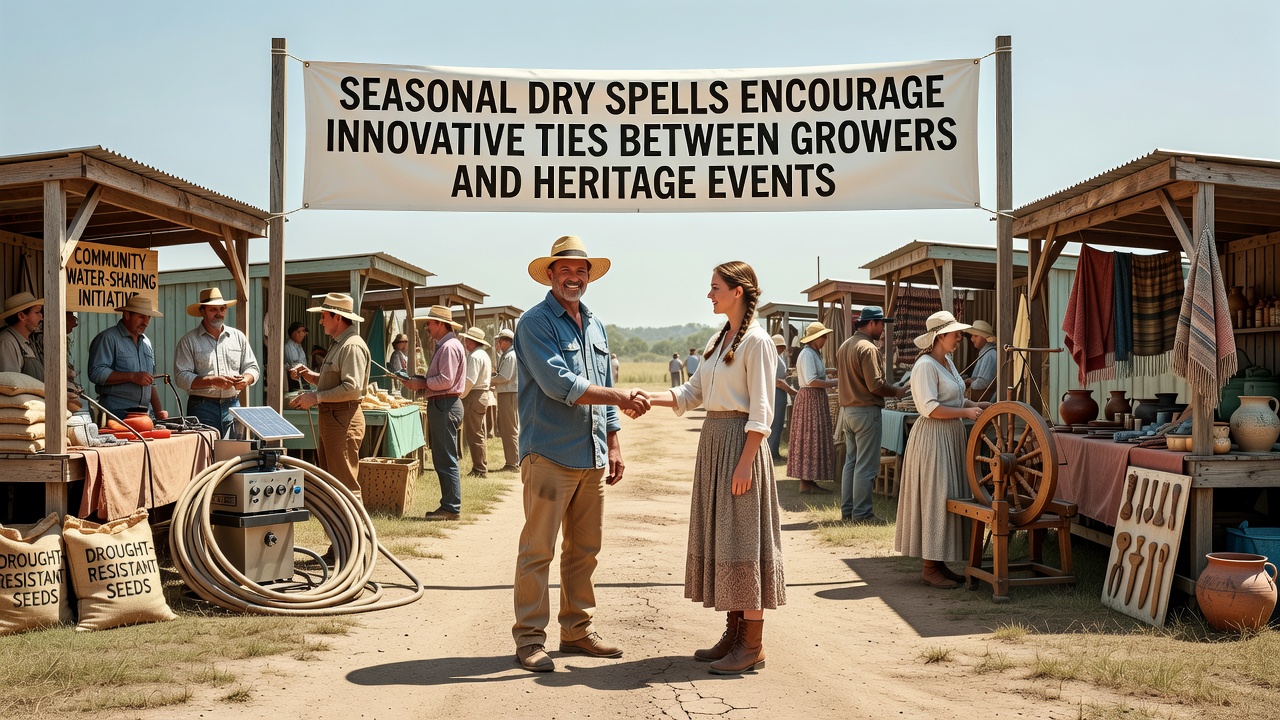
Seasonal dry spells have reshaped how agricultural growers approach community engagement, and heritage events now serve as key venues for these connections, with data from multiple regions showing increased partnerships since the early 2020s. Growers facing reduced rainfall patterns turn to established cultural gatherings to showcase drought-resistant crops, demonstrate water conservation techniques, and build direct market ties that bypass traditional supply chains strained by weather variability.
Patterns of Dry Spells and Agricultural Shifts
Records from monitoring agencies indicate that many mid-latitude farming zones experience recurring dry periods lasting several weeks each growing season, which alters planting schedules and yield projections. Researchers at institutions tracking climate trends note that these intervals coincide with harvest windows for heritage varieties of grains, fruits, and vegetables, prompting growers to adapt by selecting seeds preserved through historical farming practices. Such adaptations create natural bridges to events celebrating local history, where demonstrations of traditional irrigation methods draw visitors while highlighting current innovations like soil moisture sensors paired with ancestral techniques.
Heritage Events as Collaboration Platforms
Heritage festivals across agricultural heartlands now feature dedicated grower pavilions that integrate educational sessions on dry spell mitigation, and attendance figures from recent cycles reveal steady rises in participation from both producers and attendees. Organizers coordinate with grower cooperatives to host tastings of heritage produce developed for lower water needs, which simultaneously preserves cultural crop lineages and generates revenue during periods when conventional markets face disruptions. One documented case in the central plains involved a county fair that expanded its agricultural heritage section to include interactive exhibits on deficit irrigation, resulting in measurable increases in direct sales for participating farms.
These ties extend beyond sales into knowledge exchange, where event programming incorporates workshops led by growers who share field data on crop performance under water stress. Academic studies from North American universities corroborate that such formats accelerate adoption of resilient practices among smaller operations, while heritage framing helps sustain interest across generations. Planning documents for events scheduled in September 2026 already list expanded slots for these joint sessions, reflecting patterns observed in prior years where dry conditions persisted into late summer.
Innovative Models Emerging from Partnerships
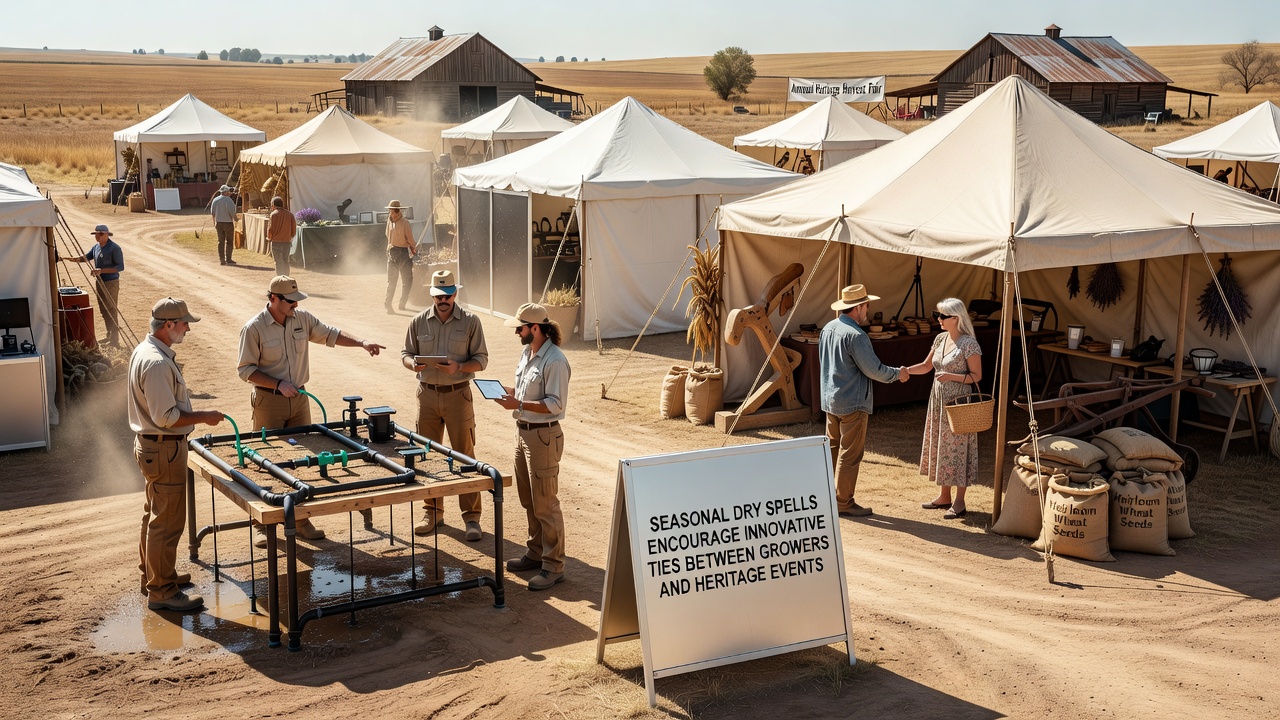
Growers and heritage event committees have developed joint initiatives that combine agritourism with preservation goals, including pop-up markets featuring only regionally adapted heirloom items and live demonstrations of cover cropping techniques suited to variable precipitation. Data compiled by agricultural statistics services show corresponding upticks in farm-to-event supply agreements during dry spell years, which stabilize incomes for operations that might otherwise scale back production. Australian research groups studying similar climate patterns report parallel developments where cultural festivals serve as testing grounds for new seed varieties, offering growers feedback loops that traditional extension services alone cannot replicate.
Event calendars in affected districts now routinely include grower-led tours of demonstration plots established near festival grounds, allowing visitors to observe real-time responses to reduced watering regimes. These arrangements also facilitate funding streams through sponsorships tied to heritage branding, which offset costs for equipment upgrades such as precision applicators that minimize evaporation losses. Observers tracking rural economies note that such integrations help maintain continuity for family-run farms whose histories align with the very events now hosting their innovations.
Geographic Variations and Broader Trends
While central and western growing areas report the most visible collaborations, similar models appear in eastern zones where shorter dry intervals still affect specialty crops. European agricultural agencies document comparable linkages between heritage food festivals and grower networks adapting to changing rainfall distributions, emphasizing the transferability of these approaches across different regulatory environments. September 2026 programming in multiple districts incorporates cross-regional exchanges, where representatives from varied climates share protocols refined through prior dry spell experiences.
Industry reports from trade organizations highlight how these ties contribute to diversified revenue without requiring large-scale infrastructure changes, since existing event infrastructure provides the necessary gathering spaces. Participation metrics from ongoing seasons indicate sustained interest, particularly when programming highlights both historical context and measurable outcomes from current adaptations.
Conclusion
The convergence of seasonal dry spells with heritage event structures continues to generate practical linkages that support both agricultural resilience and cultural continuity, with evidence from monitoring programs and cooperative records confirming the expansion of these models into upcoming cycles including those set for September 2026. Growers gain outlets for adapted products and techniques, while event organizers secure authentic programming that resonates with audiences seeking grounded connections to regional histories. These developments rest on documented patterns rather than isolated experiments, positioning the partnerships as recurring features of agricultural calendars in variable climate conditions.