Theo Griffin · 22 September 2026
Farlow's Green Spaces Initiative Gains Momentum with Resident-Led Tree Planting Efforts
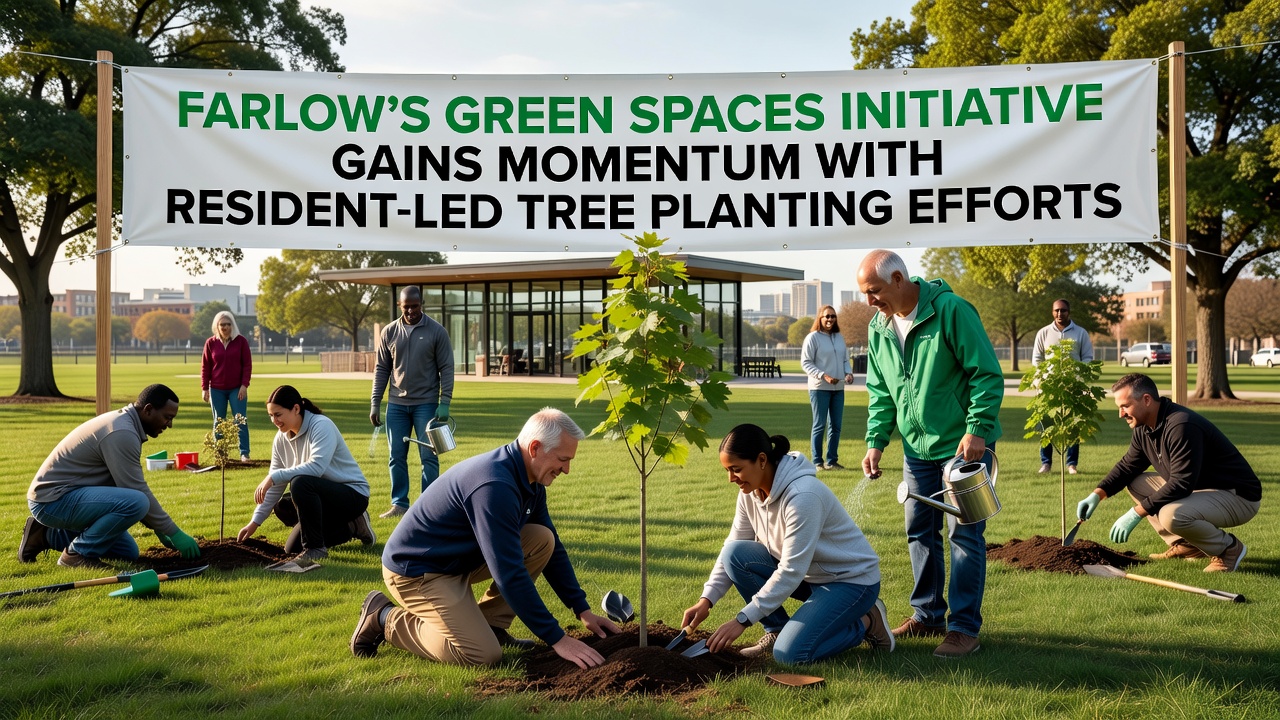
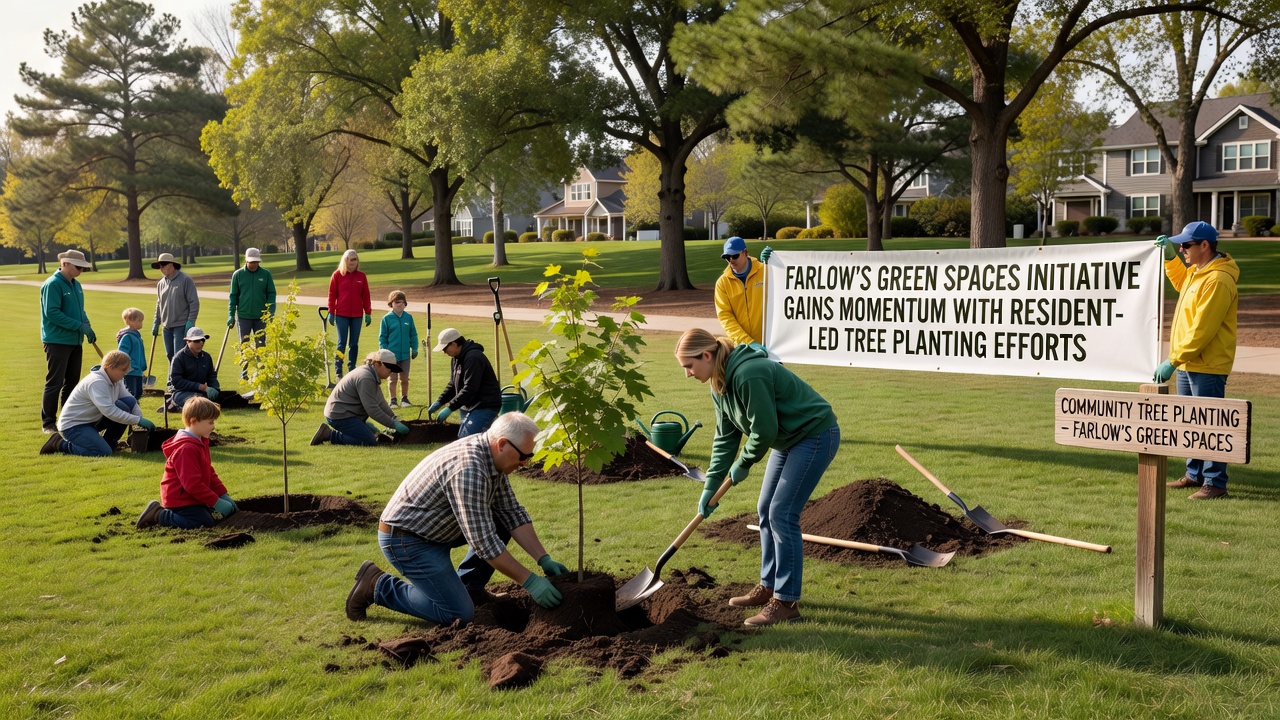
Farlow's Green Spaces Initiative began as a coordinated response to declining urban canopy coverage, and resident-led tree planting has driven its recent expansion through organized neighborhood groups that coordinate with local authorities on site selection and species choice. Data from the Farlow Parks Department shows over 4,200 trees planted in the past 18 months, with participation rising each quarter as volunteers map available plots and secure saplings from regional nurseries.
Origins and Growth of the Initiative
The program started in early 2024 when community members noticed gaps in tree cover along major thoroughfares and in several residential zones, prompting the formation of volunteer committees that worked with city planners to identify suitable locations. Since then, groups have expanded their reach into schoolyards, pocket parks, and along creek corridors, while tracking survival rates through follow-up visits scheduled every six months. Figures compiled by the initiative indicate an 87 percent survival rate for the first wave of plantings, attributed to careful species selection that matches local soil conditions and climate patterns.
Coordinators report that monthly workdays now draw between 150 and 300 participants, and these gatherings include training sessions on proper planting depth and mulching techniques provided by certified arborists. One cluster of volunteers in the eastern district has focused on native oak and maple varieties, while another team in the western corridor has prioritized drought-resistant species to address water conservation goals set by the municipal water authority.
Resident Coordination and September 2026 Plans
Resident groups maintain an online registry that logs each planting location, tree species, and volunteer hours contributed, which allows organizers to avoid duplication and allocate resources efficiently across districts. This system has also enabled partnerships with local businesses that donate tools and refreshments for workdays. Plans for September 2026 include a citywide planting weekend scheduled for the third weekend of the month, during which organizers aim to add another 1,500 trees in targeted corridors identified through a recent canopy assessment conducted by the Farlow Planning Commission.
Preparations involve pre-ordering stock from nurseries that specialize in regionally adapted stock, and advance site preparation that includes soil testing and removal of invasive undergrowth. Organizers note that advance registration for the September event has already exceeded previous sign-up totals by 40 percent, reflecting sustained community interest built through word-of-mouth and neighborhood association newsletters.
Documented Environmental and Community Outcomes
Air quality monitoring stations operated by the Farlow Environmental Health Office have recorded measurable reductions in particulate matter near planting clusters, consistent with findings from the United States Environmental Protection Agency on urban tree benefits. Temperature readings taken during summer months show average surface temperature drops of 2 to 4 degrees Fahrenheit in areas with new tree cover compared with nearby unshaded blocks. These changes align with broader research on urban heat island mitigation conducted by institutions in multiple regions, including studies coordinated through the European Environment Agency that examined similar canopy expansion projects.
Community surveys conducted by the Farlow Community Development Office indicate increased foot traffic in green corridors and higher reported satisfaction with neighborhood aesthetics among residents living within two blocks of recent plantings. Schools participating in the program have incorporated tree care into science curricula, allowing students to measure growth rates and observe seasonal changes firsthand. The initiative also maintains a small grant program funded through local business contributions that covers replacement costs for trees damaged by weather events or construction activity.
Challenges Addressed Through Adaptive Practices
Early plantings encountered issues with improper staking and occasional vandalism, yet subsequent rounds incorporated protective fencing and community education sessions that reduced losses. Coordinators adjusted watering schedules after the first dry season revealed variability in soil moisture retention, and now supply volunteer teams with moisture meters for follow-up checks. These iterative adjustments have contributed to the high survival rates recorded in later phases of the program.
Coordination with utility companies has prevented conflicts with underground infrastructure, while permits issued by the Farlow Public Works Department ensure plantings do not obstruct sight lines at intersections. Data collected through the initiative's registry continues to inform updates to the city's long-term urban forestry plan, which projects a 15 percent increase in overall canopy coverage by 2030 if current planting rates continue.
Conclusion
Farlow's Green Spaces Initiative demonstrates how resident coordination can accelerate urban tree planting when supported by municipal data systems and technical guidance. Continued tracking through the established registry and scheduled events such as the September 2026 planting weekend will provide further records on canopy expansion and associated environmental metrics. The approach relies on documented practices in species selection, site preparation, and post-planting care that other municipalities have referenced when developing similar volunteer-driven programs.